Burst Pipes in Riverton: What to Do During a Utah Winter
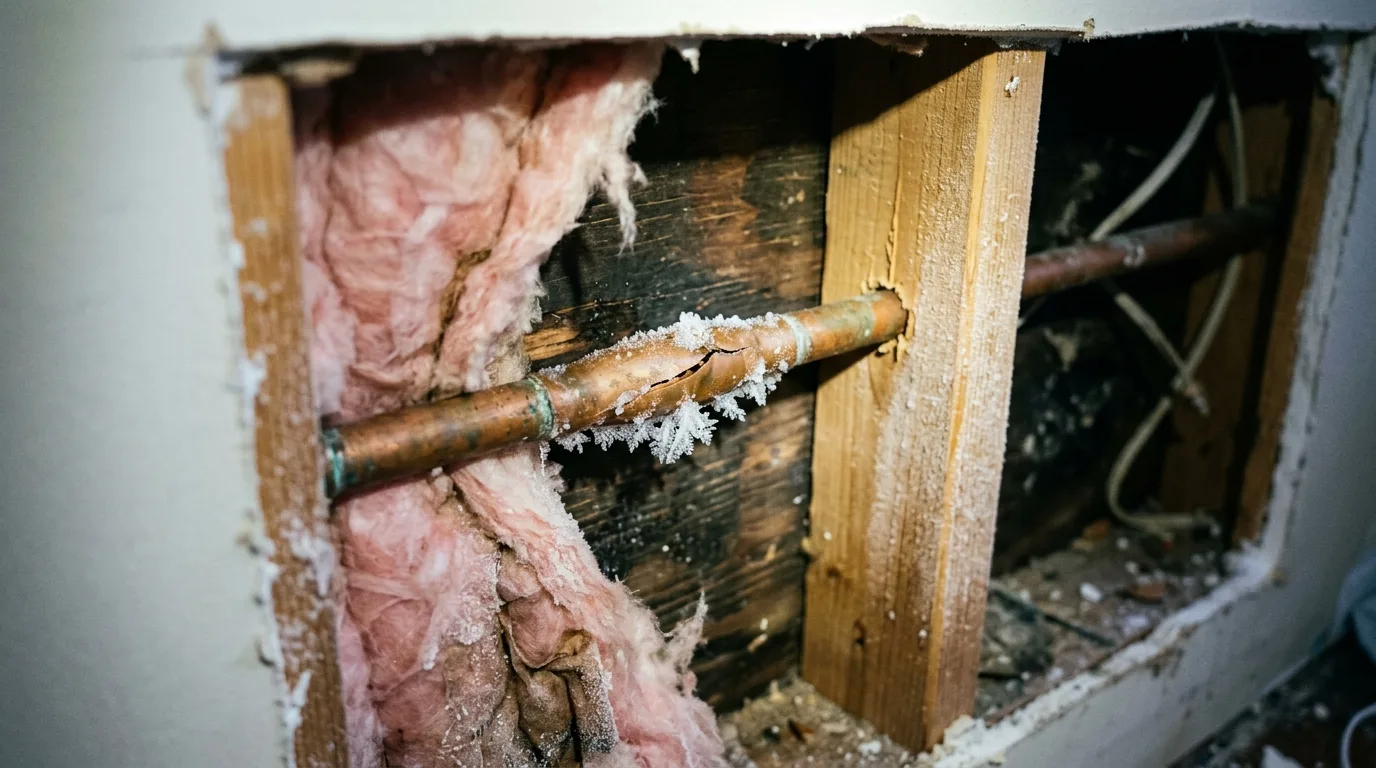
A burst pipe is one of the fastest-moving water damage emergencies a Riverton homeowner can face. A single ruptured half-inch supply line can release hundreds of gallons of water per hour into your walls, floors, and ceiling — and in Riverton’s winter months, pipes can burst at any time of day or night without warning. Knowing exactly what to do in the first minutes after discovering a burst pipe determines how much damage you’ll face in the days that follow.
In this post, we cover what causes pipes to burst in Riverton’s Utah winters, the immediate response steps, and when emergency water extraction is essential to preventing cascading damage.
Burst Pipe Emergency in Riverton? Call Now — 24/7
(877) 698-1311 — We dispatch immediately to Riverton and all of Salt Lake County. Don't let water run while you search for help.
Why Pipes Burst in Riverton’s Utah Winters
Riverton’s temperatures drop below freezing regularly from December through February, with overnight lows often reaching the teens and single digits during cold snaps. Water in supply lines that lose heat — through inadequate insulation, drafts from exterior wall penetrations, or extended periods of extreme cold — freezes and expands. Water expands approximately 9% by volume when it freezes, and a rigid copper or PVC pipe has no accommodation for that expansion. The result is a split or fracture that releases water rapidly when temperatures rise and the ice thaws.
The pipes most vulnerable to freezing in Riverton homes are:
- Exterior wall supply lines — particularly in homes where pipes were run through uninsulated exterior wall cavities, a practice common in homes built before the 1990s in neighborhoods like Saddlebrook Estates and Rose Creek.
- Crawl space and attic lines — unheated crawl spaces and attics expose pipes to near-outdoor temperatures during cold snaps.
- Garage supply lines — water supply lines to utility sinks, ice makers, or outdoor hose bibs passing through unheated garages.
- Hose bibs — outdoor faucets that were not properly shut off and drained before winter.
Utah’s semi-arid climate creates an additional freeze risk that’s specific to this region: homes are not uniformly tight. The very low outdoor humidity means buildings dry out more than in humid climates, which can create air infiltration pathways that expose interior pipe locations to outdoor-equivalent temperatures during extreme cold events.
Immediate Steps When You Discover a Burst Pipe
The first five minutes after discovering a burst pipe are the most important. Follow these steps in order:
1. Shut off the main water supply immediately. Do not search for the specific burst pipe first — stop the flow at the source. Locate your main shutoff valve (typically near the water meter, in the utility room, or near where the main line enters the foundation) and close it completely. Every second the water runs adds to the damage.
2. Shut off electricity to affected areas. If water has reached or is near electrical outlets, fixtures, or the electrical panel, shut off the circuit breakers for those areas before entering. Water and electricity create a life-threatening combination.
3. Open faucets to relieve pressure. After shutting off the main supply, open faucets in the affected area to drain remaining water from the pipes and relieve any residual pressure.
4. Begin documenting. Photograph the burst pipe location and all visible damage before any cleanup begins. This documentation is essential for your insurance claim.
5. Call for emergency water extraction. Even a small burst pipe can introduce significant water into wall and floor assemblies within minutes. Professional extraction equipment removes water that household shop vacs and towels cannot — the difference between a manageable restoration project and extensive structural damage often comes down to how quickly professional drying begins.
Already Extracted the Water — Now What?
Water in walls and under floors continues causing damage even after visible water is removed. Call (877) 698-1311 for professional structural drying and damage assessment in Riverton.
The Hidden Damage You Can’t See After a Burst Pipe
Stopping the water source and soaking up visible puddles is not enough. Burst pipes in Riverton homes release water under pressure, which drives moisture rapidly into wall cavities, insulation, subflooring, and ceiling assemblies — materials that can hold significant moisture for weeks without appearing wet on the surface.
Within 24–48 hours of a burst pipe event, mold can begin colonizing wet insulation, drywall paper, and wood framing in wall cavities. This mold growth is invisible from the surface and undetectable without moisture meters and thermal imaging. Professional structural drying using industrial dehumidifiers and air movers, monitored with daily moisture readings, is the only reliable way to ensure that materials have returned to safe dryness levels before any repairs begin.
A burst pipe that is addressed with only surface cleanup — visible water removed, walls looking dry — and no professional structural drying is the most common origin story for significant mold discoveries six to eight weeks later. The mold remediation cost at that point typically exceeds what professional structural drying would have cost at the time of the event.
Preventing Burst Pipes Before Winter in Riverton
The most cost-effective response to burst pipes is prevention:
- Insulate vulnerable pipes — foam pipe insulation installed on supply lines in exterior walls, crawl spaces, and garages significantly reduces freezing risk. This is inexpensive and can be installed by most homeowners.
- Shut off and drain outdoor faucets — close the interior shutoff valve for all outdoor hose bibs and open the outdoor faucet to drain remaining water before the first hard freeze.
- Keep cabinet doors open under sinks on exterior walls during prolonged cold snaps — this allows warm interior air to reach the pipes.
- Maintain minimum indoor temperature — do not let your home drop below 55°F, even when traveling, as pipes can freeze in unheated interiors during Utah cold snaps.
- Know your shutoff valve location — this is not the time to learn its location. Find it now and make sure all household members know where it is.
Cost of Burst Pipe Water Damage in Riverton
A burst pipe event in Riverton typically generates water damage restoration costs of $1,361–$6,270 for medium-scale events affecting a room or basement area. Major events where pipes burst inside walls and the damage is not discovered until hours later — common when homeowners are away — can exceed $7,000–$16,000 when structural repairs and mold remediation are included. Most homeowner’s insurance policies in Utah cover burst pipe water damage as a sudden and accidental event, making this one of the water damage categories most likely to result in a successful insurance claim.
Compared to spring flooding from canal overflow or snowmelt — which is typically excluded from standard homeowner’s policies — burst pipe coverage is usually included in standard policies. See our guide to filing a water damage insurance claim in Utah for step-by-step guidance on documenting and filing your claim.
Frequently Asked Questions
My Riverton pipes are behind insulation in exterior walls — are they safe from freezing?
Insulation slows heat loss but does not eliminate it during extreme cold events. Pipes in exterior wall cavities with nominal insulation values may still freeze during prolonged cold snaps when outdoor temperatures stay below 20°F for multiple days. The building science standard is that pipes should be on the warm side of the insulation layer — on the inside face of the wall rather than within the insulation. If your home was built before the mid-1990s in Riverton, have a plumber assess your exterior wall pipe locations before the next severe winter season.
How long can I wait before calling for water extraction after a burst pipe?
Every hour matters. Water from a burst pipe under pressure penetrates into wall and floor assemblies rapidly — within the first hour, moisture can spread 3–4 feet in every direction from the pipe location through wall cavities and under flooring. Within 24 hours, mold risk begins. Within 48–72 hours, mold colonization is likely in wet insulation and drywall paper. The cost difference between same-day professional extraction and extraction 24 hours later is typically 30–50% in total restoration cost.
Should I use a space heater to dry out a room after a burst pipe?
Space heaters can help dry visible surface moisture but do nothing for moisture inside wall cavities and under flooring — and can create fire hazards near wet electrical fixtures. Industrial drying equipment positions airflow to target both surface and structural moisture based on psychrometric science. Space heaters also raise indoor temperature without lowering relative humidity, which is less effective for structural drying than true dehumidification. Call a professional for any burst pipe event beyond a minor drip.
Burst Pipe Water Damage in Riverton — We Handle It All
From emergency extraction to complete structural drying and mold prevention, Riverton Water Damage Restoration manages every step. Call (877) 698-1311 any time.
Related: