How to File a Water Damage Insurance Claim in Utah
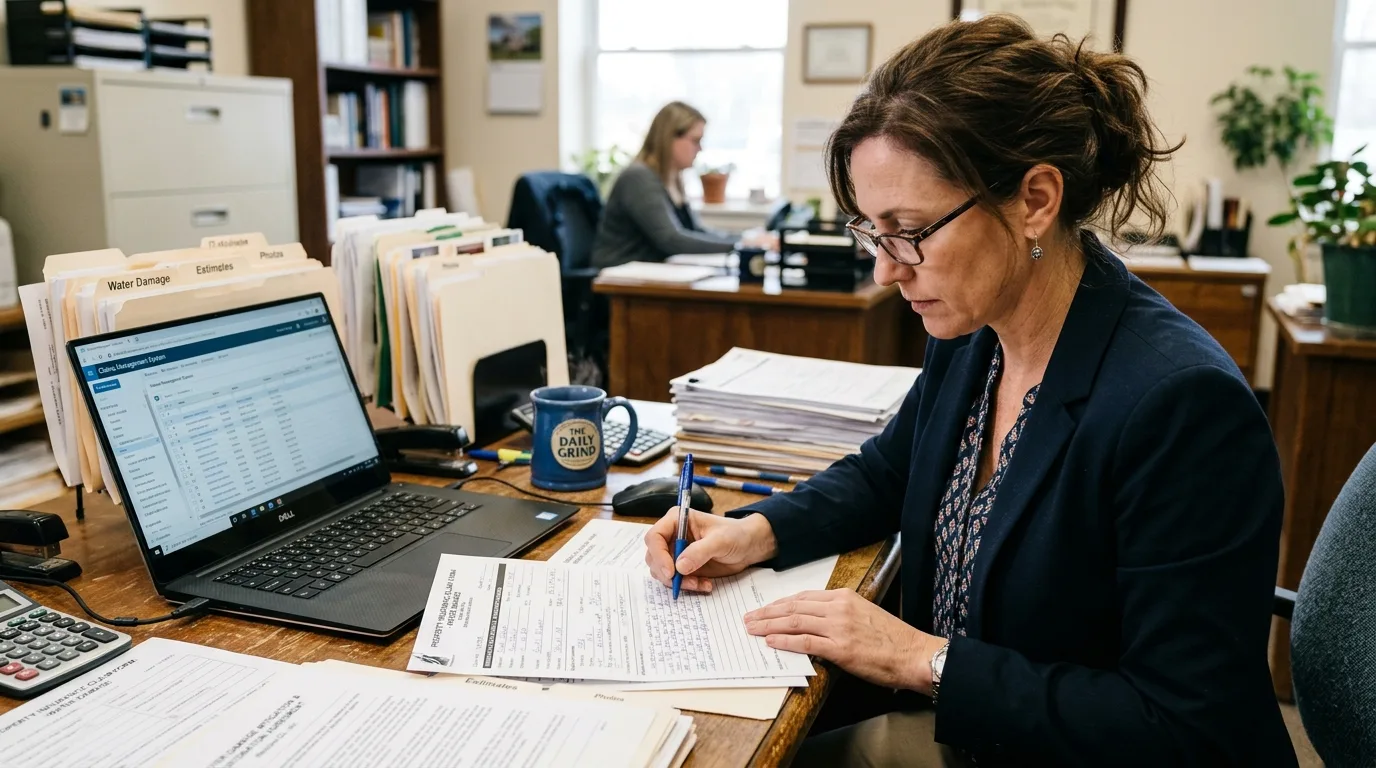
Filing a water damage insurance claim in Utah is one of the most time-sensitive and documentation-intensive tasks a homeowner can face. The decisions you make in the first 24 hours — how you document the damage, what you do (and don’t do) before the adjuster arrives, and whether you call a restoration professional — can substantially affect the outcome of your claim. This guide walks Riverton homeowners through the process from discovery to settlement.
In this post, we cover what Utah homeowner’s policies typically cover, what is excluded, how to document water damage properly, and how to work with your adjuster to maximize your legitimate claim.
Water Damage in Riverton? We Work With All Insurers
Riverton Water Damage Restoration provides complete claim documentation and direct insurance billing. Call (877) 698-1311 for immediate response and claim support.
What Utah Homeowner’s Insurance Covers (and Doesn’t)
Understanding your coverage before you file — ideally before a water event ever occurs — determines your financial exposure. Utah homeowner’s policies follow standard HO-3 or HO-5 structure, with these water damage provisions applying in most cases:
Typically covered:
- Burst pipes (frozen or accidental)
- Appliance failures (water heater, washing machine, dishwasher, refrigerator water lines)
- HVAC system leaks and condensate line failures
- Accidental overflow from a plumbing fixture
- Roof leak damage from a sudden storm event
Typically excluded:
- Flooding from external sources (groundwater, canal overflow, storm runoff, river flooding)
- Long-term seepage that was known or should have been known
- Sewer backup without a specific endorsement
- Flood irrigation or canal-related groundwater rise
- Gradual damage from an ongoing leak that was neglected
For Riverton homeowners specifically, the distinction between burst pipe damage (covered) and spring basement flooding from snowmelt or canal overflow (not covered) is financially significant. Many Riverton properties experience both types of water events, sometimes in the same season — knowing which event generated your damage determines which claim to file and what evidence to gather.
Sewer backup coverage is typically available as an endorsement to standard homeowner’s policies but is not included in the base policy. Given Riverton’s aging infrastructure in older neighborhoods like Rose Creek and Saddlebrook Estates, this endorsement is worth carrying.
Step 1: Document Before You Touch Anything
The most damaging mistake homeowners make after water damage is cleaning up before documenting. Insurance adjusters need to assess the full extent and nature of the damage — photos and video taken before any cleanup, dry-out, or removal of damaged materials are the most credible documentation you can provide.
What to document:
- Wide-angle photos of every affected room showing the full extent of water
- Close-up photos of the water source (burst pipe, failed appliance, roof penetration)
- Photos of water level indicators — tide lines on walls, saturated flooring, floating objects
- Video walkthrough of the entire affected area narrating what you’re seeing
- Photos of all damaged personal property in place before removal
- Timestamps on all photos (modern smartphones record this automatically in metadata)
Do not move, remove, or discard damaged materials until your adjuster has seen them or given written authorization to proceed. An adjuster who arrives to find the damage already cleaned up has no basis for assessing what actually occurred.
Step 2: Mitigate Immediately — You Are Obligated To
Your insurance policy requires you to take reasonable steps to prevent further damage after a covered loss. This means:
- Shut off the water source if possible
- Call a professional water extraction team — delaying extraction while waiting for the adjuster is not acceptable mitigation
- Cover roof penetrations with tarps
- Move undamaged property out of the water’s path
Insurance companies sometimes attempt to deny or reduce claims by arguing that the homeowner failed to mitigate. Calling a professional restoration team immediately — and documenting that you did — creates a record of reasonable mitigation that protects your claim.
Critically: calling for professional restoration does not require prior adjuster approval. Your policy obligates you to mitigate, and mitigation services are covered losses. A professional restoration firm like Riverton Water Damage Restoration will provide complete documentation of all services performed, which becomes part of your claim file.
We Document Your Water Damage Claim From the First Call
Complete photo documentation, moisture logs, and direct insurance billing. Call (877) 698-1311 to start the process immediately.
Step 3: File Your Claim Promptly
Contact your insurance carrier as soon as you have completed initial documentation and begun mitigation. Most policies have reporting requirements — some as short as 30 days after a loss — and delayed filing can create coverage disputes. Have the following ready when you call:
- Policy number
- Date and approximate time of the water event
- Description of the water source (burst pipe location, appliance that failed, etc.)
- Current status (is water still active, or has the source been stopped?)
- Name and contact of any restoration company already engaged
Your insurer will assign an adjuster and schedule an inspection. The timeline varies by carrier and claim volume, but initial contact typically happens within 24–72 hours for active water damage claims. Ask specifically about timelines for the initial inspection and claim decision.
Step 4: Meet the Adjuster With Documentation Ready
When the adjuster arrives, have your documentation organized and ready:
- Your complete photo and video record from Step 1
- Any written estimates or invoices from the restoration company already working
- A list of damaged personal property with approximate values
- Any prior maintenance records that demonstrate the damaged system (water heater, pipes) was being maintained
Walk the adjuster through the damage in the order it occurred — where the water entered, how it spread, what was affected. If you have engaged a professional restoration firm, their moisture logs and assessment documents provide independent technical support for the scope of damage.
Be clear about what you know and what you don’t. If you don’t know exactly when the pipe started leaking, say so — don’t estimate in a way that might later be inconsistent with evidence.
Step 5: Understand the Settlement Offer Before You Sign
Insurance settlements for water damage in Utah are typically calculated on an actual cash value (ACV) or replacement cost value (RCV) basis, depending on your policy type:
- ACV: replacement cost minus depreciation. Older flooring, drywall, and appliances will be depreciated, sometimes significantly.
- RCV: full replacement cost at current prices, often paid in two stages — ACV upfront, with the depreciation “holdback” released when repairs are documented as complete.
Review the settlement breakdown line by line before signing. If line items appear to undervalue materials or labor in the current Riverton market, you have the right to negotiate or engage a public adjuster. The first settlement offer is not always final, and restoration contractors familiar with Salt Lake County pricing can provide comparative data to support a fair settlement.
Frequently Asked Questions
Does Utah homeowner’s insurance cover basement flooding from snowmelt?
Generally, no. Flooding from external sources — including snowmelt, groundwater rise, and canal overflow — is classified as flood damage and excluded from standard homeowner’s policies. This is specifically relevant for Riverton homeowners given our spring snowmelt flooding risk. A separate National Flood Insurance Program (NFIP) policy or private flood policy covers this type of event. See our guide to water damage vs. flood damage coverage for a full breakdown.
Can the insurance company require me to use their preferred restoration vendor?
In Utah, your insurance company cannot legally require you to use a specific restoration vendor — you have the right to choose your own licensed contractor. Be cautious of pressure to use an insurer’s “preferred” vendor exclusively; these relationships can create conflicts of interest around the scope and cost of repairs. You are entitled to an independent estimate and can choose your own certified restoration professional.
What if my adjuster underappraises the damage?
Start by requesting a line-by-line explanation of the settlement calculation and comparing it to your restoration contractor’s estimate. If there is a significant discrepancy, you can invoke the appraisal clause in your policy (most HO-3 policies include this) which provides a formal process for resolving valuation disputes. A public adjuster can also advocate on your behalf. Document all communications with your insurer in writing.
Water Damage Insurance Claim Support in Riverton
Riverton Water Damage Restoration works directly with all insurance carriers and provides complete documentation for your claim. Call (877) 698-1311.
Related: