Spring Flood Preparedness Guide for Riverton Homeowners
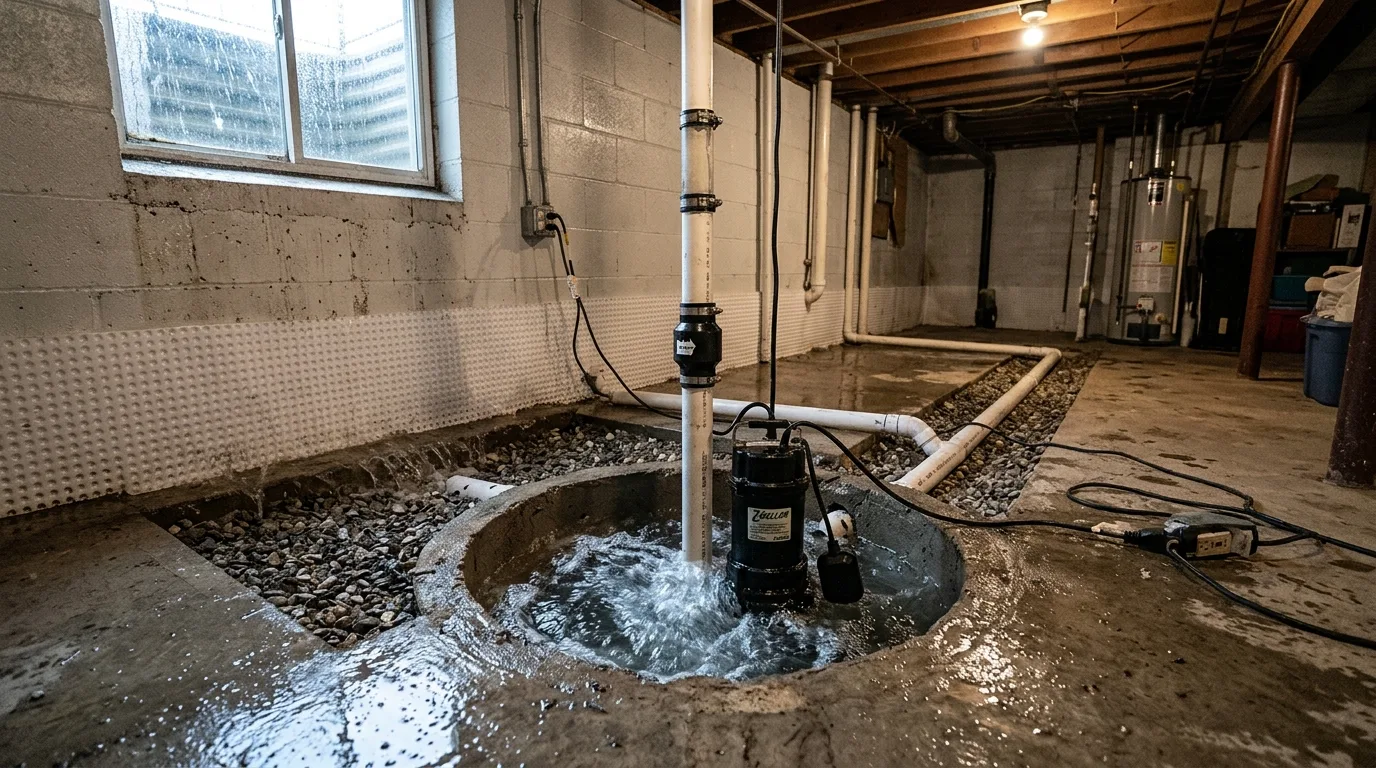
Each year, thousands of Riverton homeowners enter March knowing what’s coming: the Wasatch Mountains’ snowpack begins releasing, the ground is still frozen or saturated from winter, and basements that have been dry for months start showing the familiar signs of water intrusion. Spring flood preparedness for Riverton isn’t about hoping it won’t happen — it’s about taking specific, actionable steps before the water arrives so that when it does, the damage is contained.
In this guide, we cover when Riverton’s flood risk peaks, what preparation steps have the most impact, what Riverton City resources are available, and what to do in the first hour if flooding does occur.
Had Spring Flooding Before? Get a Pre-Season Assessment
We identify flood pathways in your Riverton home before spring arrives. Call (877) 698-1311 for a free assessment.
When Riverton’s Spring Flood Season Peaks
Riverton’s spring flood window runs from late February through May, with the highest risk concentrated in April and May. This timing reflects the convergence of two conditions: Wasatch Mountain snowpack melting at elevation (typically beginning in earnest in March) and increased spring precipitation that arrives as the snowmelt is underway.
May is Riverton’s wettest month, averaging 1.6 inches of precipitation — which doesn’t sound like much until you account for the fact that this rainfall lands on soils that are already saturated from weeks of snowmelt. At that point, Salt Lake County’s clay-heavy soils have no additional absorption capacity, and water that would normally percolate downward instead moves laterally toward the path of least resistance — often, your basement walls.
The Utah & Salt Lake Canal reaches higher operational levels during spring runoff, adding lateral groundwater pressure from canal seepage in Riverton’s western neighborhoods. Homes near the Monarch Meadows neighborhood and along the 11800 South corridor should begin their spring flood preparations earlier — by mid-February — because canal-driven groundwater can begin rising before the surface flooding season peak.
6 High-Impact Preparation Steps for Riverton Homeowners
1. Test and Service Your Sump Pump
A functional sump pump is the most important single piece of flood protection for a Riverton basement. Test it by pouring a 5-gallon bucket of water into the sump pit and confirming the pump activates and discharges properly. If the pump is more than 5–7 years old, consider replacing it before spring rather than risking failure at peak demand. Install a battery backup for power outages — storms that cause flooding often also knock out electricity, which is precisely when your pump needs to run continuously.
2. Request Sandbags from Riverton City
Riverton City provides free sandbags — up to 25 per household — during spring runoff season. This resource is available for properties in flood-risk areas, including those near creek corridors and low-lying sections of neighborhoods like Rose Creek and Midas Crossing. Contact Riverton City Public Works at the start of February to understand current availability and distribution points. Having sandbags in place before the first significant melt event is far more effective than trying to get them after water is already at your foundation.
3. Regrade Landscaping and Check Drainage
Walk around your home’s perimeter and look at how the ground slopes relative to your foundation. Any area where the ground is level or slopes toward the house is a hydrostatic pressure point. A simple regrade — adding topsoil to create a 2–3% downward slope away from the foundation for the first 6–10 feet — can substantially reduce the volume of water that contacts your basement walls during spring saturation events.
Also check that downspouts extend at least 6 feet from the foundation and discharge onto downslope ground rather than pooling near the house. During spring in Riverton, downspout overflow can add significant surface water volume to an already-saturated area around the foundation.
4. Clear Window Well Drains and Covers
Window wells fill rapidly during both rainfall and snowmelt if their drains are blocked by leaves, debris, or compacted soil. A full window well holds significant water volume that can exceed the threshold of the window seal and enter the basement in minutes. Clean window well drains in late February and consider adding window well covers that allow light through while blocking most precipitation and debris accumulation.
5. Inspect and Seal Foundation Cracks
Walk your basement perimeter in late January or early February and mark any visible cracks in foundation walls or floor-wall joints. Hairline cracks in poured concrete walls are normal and may not be actively leaking — but under spring hydrostatic pressure, they become primary entry points. Hydraulic cement applied to dormant cracks before spring can block the entry pathway before peak pressure arrives. Cracks that are actively weeping water or wider than 1/4 inch warrant professional assessment before DIY patching.
6. Review Your Insurance Coverage Now
This step is easy to skip but potentially the most consequential. Standard homeowner’s insurance in Utah typically covers sudden and accidental internal water damage (burst pipes, appliance failures) but does not cover flood damage from external sources — canal overflow, groundwater rise, or storm surface water. If you’ve experienced spring basement flooding before and filed a claim, verify whether your carrier has excluded flood coverage or required a separate flood endorsement. Understanding your coverage before a flood event is far less stressful than discovering exclusions while water is on your floor.
Is Your Riverton Basement Ready for Spring?
Pre-season moisture inspections help identify vulnerabilities before flooding occurs. Riverton Water Damage Restoration offers free assessments across Salt Lake County.
What Riverton City Offers During Spring Flooding
Riverton City has publicly acknowledged the seasonal flooding risk its residents face by maintaining several emergency resources:
- Free sandbags: distributed during spring runoff with a household limit of 25 bags. Check availability through Riverton City Public Works at the start of runoff season.
- Drainage maintenance: the city maintains public drainage infrastructure including storm drains and creek corridors. Report blocked public drains to the city immediately — a blocked city drain near your property can significantly worsen localized flooding.
- Creek corridor permits: any work near Riverton’s creek corridors requires a Public Works permit. If your flood mitigation plans involve creek corridor drainage, contact the city before beginning work.
Private property flooding — including basement water intrusion from groundwater or soil saturation — is a homeowner responsibility. Riverton City resources address public infrastructure and emergency response but do not provide emergency water extraction or restoration services for private homes.
First-Hour Response When Flooding Begins
If spring flooding reaches your basement, the first hour of response determines a significant portion of the ultimate damage and cost:
- Shut off electricity to any flooded areas at the breaker panel before entering standing water.
- Do not use household vacuums — only pumps or extractors rated for water use.
- Move valuables from the flood path if you can do so safely without entering standing water.
- Photograph everything before any cleanup — documentation is essential for insurance claims.
- Call for professional extraction immediately — mold begins growing within 24–48 hours, and structural materials continue absorbing moisture even after visible water is removed.
The cost difference between calling within the first hour versus waiting 24 hours or more is substantial. See our full breakdown in the cost of water damage restoration in Riverton.
Frequently Asked Questions
Does Riverton have a spring flood warning system?
Riverton City and Salt Lake County Emergency Management both issue flood watches and warnings through the standard NWS alert system during elevated runoff periods. Sign up for local emergency alerts through Salt Lake County Emergency Management to receive advance notice of flooding conditions. You can also monitor the Utah Division of Water Resources snowpack data to track when runoff season is approaching peak intensity.
What should I do if the canal near my Riverton home starts overflowing?
Contact Riverton City Public Works immediately and document the event with photographs. Canal overflow events involve infrastructure managed by the irrigation district — immediate notification creates a record of the event, which is important for insurance documentation. Then call Riverton Water Damage Restoration at (877) 698-1311 if water has entered your home. Canal overflow is generally classified as Category 2 or 3 water depending on contamination level, which requires professional flood damage cleanup protocols.
How do I know if my spring basement water is from the canal or from rain?
The timing is your best diagnostic tool: if basement water appears during sunny, dry weather when no rain has fallen in days but spring runoff is active, canal seepage or groundwater rise is the likely source. If basement water appears within hours of a rain event, surface water or rainwater saturation is more likely the primary driver. Many Riverton basements are affected by both simultaneously during peak spring conditions — a professional moisture assessment can help identify the dominant pathway and recommend the appropriate mitigation approach.
Spring Is Coming — Protect Your Riverton Home Now
Call Riverton Water Damage Restoration at (877) 698-1311 for pre-season flood preparedness assessment. Serving Riverton, Rose Creek, Midas Crossing, and all of Salt Lake County.
Related: