Riverton City Park Area: Water Damage Risks for Nearby Homes
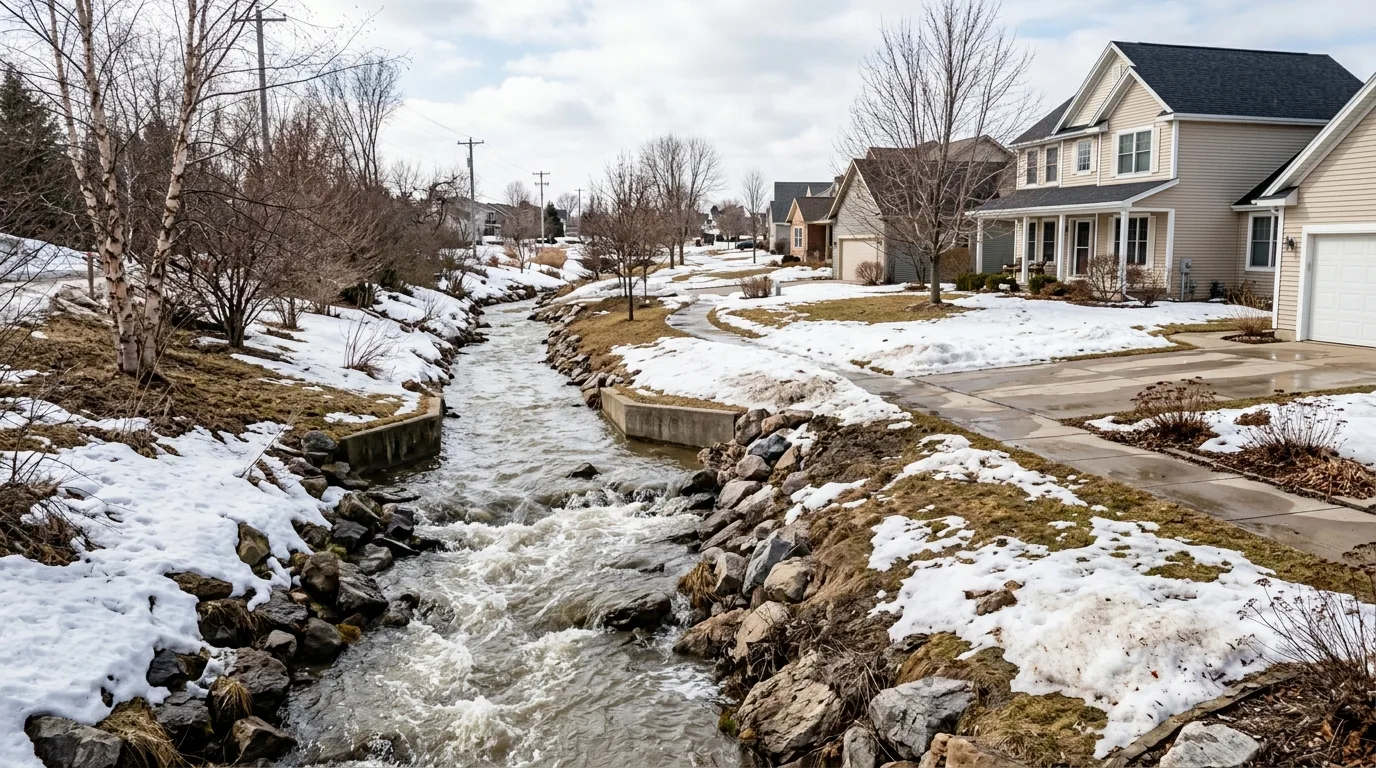
Riverton City Park is one of the community’s most beloved assets — 40-plus acres of green space, splash pads, and recreational facilities that draw residents from throughout Salt Lake County. But for homeowners in the neighborhoods adjacent to the park and the Jordan River Parkway corridor, the same geographic features that make this area attractive also create specific water damage risks that don’t apply to properties farther from waterways and open drainage areas.
This post examines the water damage risk profile for Riverton homes near the City Park, Jordan River Parkway, and associated creek corridors — and what homeowners in these locations should know about seasonal vulnerability, insurance coverage, and emergency response.
Live Near Riverton City Park or Jordan River Parkway?
Schedule a free spring flood risk assessment before the snowmelt season. Call (877) 698-1311.
Water Damage Risks Specific to the City Park Corridor
The area around Riverton City Park sits within a broader drainage basin that collects runoff from surrounding neighborhoods and directs it toward the Jordan River Parkway corridor. During spring snowmelt and heavy rainfall events, this drainage function creates elevated water movement through and around the park area — and properties adjacent to or downslope from major drainage channels face heightened inundation risk compared to those in higher, inland sections of Riverton.
Jordan River Parkway, which forms the western edge of this corridor, follows the Jordan River’s path through Riverton and the broader Salt Lake Valley. The Jordan River’s spring flow volume increases dramatically during snowmelt season — sometimes by factors of 5–10x compared to base flow — and while the riverbanks provide primary containment, lateral groundwater elevation from the river’s presence affects properties throughout the adjacent lowland areas. Homes within a few blocks of the Parkway should consider their water table proximity carefully when assessing basement flood risk.
The proximity to open green space also means that drainage management during heavy storm events is more complex near the park. Urban properties with complete impervious surfaces create predictable runoff patterns; properties near parks and green corridors can experience sheet flow from park areas onto adjacent residential parcels in extreme events, particularly when storm drains are overwhelmed.
Seasonal Risk Windows for Park-Adjacent Properties
For homeowners in neighborhoods like Summerwood and Monarch Meadows that fall within or near this corridor, seasonal awareness is the foundation of effective flood preparation:
Spring (March–May) is the primary risk window. Jordan River flow elevation from Wasatch snowmelt, combined with Salt Lake County’s saturated clay soils and potential canal overflow contributions, creates the convergence of multiple water sources that can overwhelm even well-prepared properties. The creek corridor work permit requirement (from Riverton City Public Works) means that any mitigation work near creek areas requires advance coordination — planning this before spring arrives rather than during an active event is essential.
Summer monsoon season (July–September) brings a secondary risk from afternoon thunderstorm intensity. The park corridor’s drainage function means that runoff from a summer storm concentrates through this area more quickly than it would in dispersed suburban drainage patterns. A 1-inch storm event that would be manageable under normal drainage conditions can produce localized flooding near drainage concentration points if storm drains are partially blocked or at capacity.
Winter is the season when pipe bursts from freeze-thaw cycles affect homes throughout the area equally, with no special risk from park proximity. However, winter moisture inspections for park-adjacent properties should also look at below-grade conditions given the ongoing groundwater proximity from the river corridor.
What Water Damage Restoration Looks Like in This Area
When flooding events affect homes near Riverton City Park or the Jordan River Parkway, the water damage restoration process involves some considerations specific to this location:
External-source flooding in this corridor is typically classified as Category 2 or Category 3 water, depending on what the drainage water has contacted before entering the home. Water that has flowed through park areas, picked up organic material, and entered through window wells or foundation cracks may carry contaminants that require additional disinfection protocols beyond standard water mitigation. This affects both the cost of restoration and the materials that can be salvaged versus must be removed.
Creek corridor work — any restoration or mitigation work that involves the creek itself or its immediate banks — requires a Public Works permit from Riverton City. Homeowners who want to install drainage improvements near creek corridors should engage a contractor familiar with Riverton’s permitting requirements to ensure compliance.
Park-Adjacent Homes Have Specific Flood Risks — Know Yours
Riverton Water Damage Restoration serves homes throughout the City Park and Jordan River Parkway corridor. Free assessment at (877) 698-1311.
Mitigation Approaches for Homes Near the Corridor
Homeowners in Riverton’s park-adjacent neighborhoods have several specific mitigation options worth considering:
- Sump pump with high-capacity discharge: given the potential for extended groundwater elevation near the river corridor, a higher-capacity sump pump (3/4 HP or larger) with a battery backup is more appropriate than a standard residential unit.
- Interior drainage system: for homes with chronic basement moisture from lateral groundwater, an interior perimeter drainage system that captures and directs infiltration to the sump pit without relying on exterior waterproofing provides more reliable protection than surface-only approaches.
- Window well covers with drains: properties adjacent to park drainage corridors should have all window wells covered and their drains cleared before each spring runoff season.
- Foundation crack sealing: even small cracks in foundation walls become significant entry points when hydrostatic pressure from elevated groundwater acts on them for days at a time during peak runoff.
Frequently Asked Questions
Are homes near Riverton City Park at higher flood risk than other Riverton properties?
Yes, for a specific type of flooding — external-source water events including river corridor groundwater elevation and drainage concentration during storms. For internal-source events like burst pipes or appliance failures, the risk is no higher than elsewhere in Riverton. The proximity to the Jordan River Parkway and the drainage basin that flows toward it creates elevated groundwater and runoff concentration risk during peak spring and summer storm events.
Does proximity to Riverton City Park affect my homeowner’s insurance?
Standard homeowner’s insurance pricing is based on your specific property’s FEMA flood zone designation, not proximity to a park per se. However, properties in or near designated flood zones — which can include low-lying areas near waterway corridors — may be required to carry flood insurance and may face higher premiums. Review your FEMA flood zone designation at the FEMA Flood Map Service Center and confirm your coverage with your agent.
What permits do I need for water damage mitigation work near Riverton’s creek corridors?
Any work involving creek corridors requires a Riverton City Public Works permit before beginning. This includes drainage improvements, bank stabilization, or any construction within the creek corridor setback area. Standard interior restoration work (water extraction, drying, drywall replacement) within your home does not require this permit, but contractors performing structural repairs must hold a Utah Specialty Contractor License. Contact Riverton City at building@rivertonutah.gov for permit guidance.
Water Damage Near Jordan River Parkway or Riverton City Park?
Riverton Water Damage Restoration serves the entire Riverton area — including park-adjacent neighborhoods in Summerwood, Monarch Meadows, and beyond. Call (877) 698-1311.
Related: