Sewage Backup Cleanup in Riverton, UT: Health Risks & Solutions
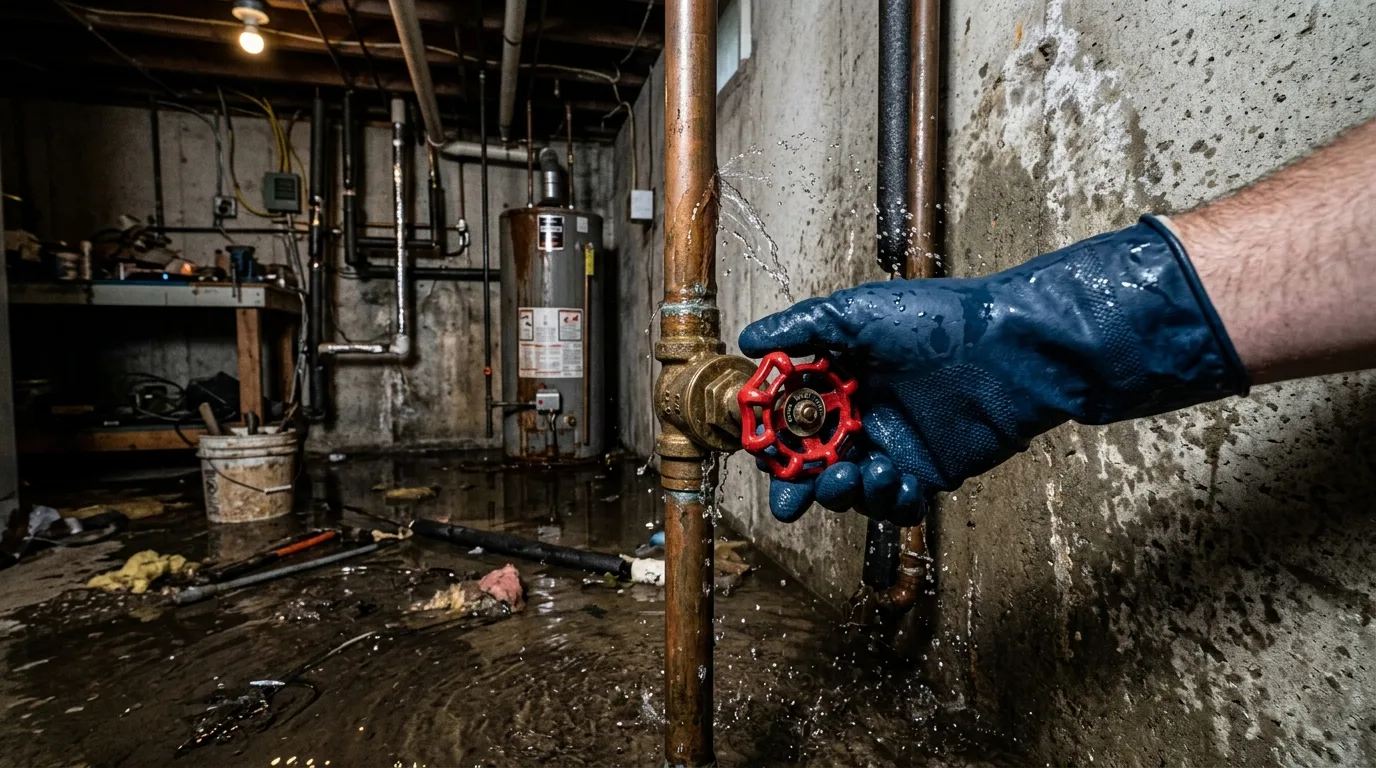
A sewage backup is more than a water damage emergency — it’s a biohazard event. Sewage contains bacteria, viruses, parasites, and chemical contaminants that pose immediate and serious health risks to anyone who contacts it without proper protection. Every year, Riverton homeowners — particularly those in older neighborhoods with aging lateral sewer lines — face sewage backup situations that require professional response, not DIY cleanup.
In this post, we cover what causes sewage backups in Riverton, the specific health risks they create, what you should and shouldn’t do when one occurs, and how professional sewage cleanup in Riverton restores your home safely.
Sewage Backup in Your Riverton Home? Don't Touch It — Call Now
(877) 698-1311 — 24/7 biohazard-rated sewage cleanup for Riverton and all of Salt Lake County.
What Causes Sewage Backups in Riverton Homes
Riverton’s sewer backup landscape is shaped by the age of its residential infrastructure and local soil conditions. The most common causes in Riverton fall into three categories:
Root intrusion into lateral sewer lines. In established Riverton neighborhoods like Saddlebrook Estates, Rose Creek, and Royal Farms, trees planted near homes in the 1980s and 1990s have developed mature root systems that seek moisture in sewer pipe joints and cracks. Once roots enter a pipe, they catch and accumulate waste, eventually causing complete blockages. Salt Lake County’s clay soils promote extensive lateral root growth toward the moisture gradient in sewer laterals — making this cause particularly prevalent in older Riverton neighborhoods.
Municipal sewer system surcharging. During intense summer monsoon storms (July–September) that deliver high-volume, short-duration rainfall, Riverton’s municipal sewer mains can temporarily become overwhelmed by combined stormwater and sewage volume. When main lines surcharge, backpressure forces sewage up through floor drains and low-point fixtures in basements. This type of backup affects entire sections of the system simultaneously and can affect even well-maintained private laterals.
Blockages from grease, debris, or non-flushable materials. Lateral blockages can occur at any age from accumulated grease, hygiene products, paper towels, or other non-flushable materials that accumulate inside the pipe. These blockages are more common in high-use systems and properties with older cast-iron or clay tile pipes that develop scale accumulation over decades.
Health Risks of Sewage Backup: Why You Cannot DIY Clean It
Sewage is classified as Category 3 black water by the IICRC — the highest contamination category in the water damage classification system. The health risks are not theoretical:
- Bacteria: E. coli, Salmonella, Shigella, and Campylobacter are commonly present in sewage and can cause severe gastrointestinal illness from contact, particularly through skin abrasions, eyes, or mouth.
- Viruses: Hepatitis A, norovirus, and other enteric viruses survive in sewage for extended periods and can infect through minimal exposure.
- Parasites: Cryptosporidium and Giardia oocysts present in sewage are highly resistant to standard disinfectants.
- Chemical contaminants: pharmaceuticals, cleaning products, and industrial chemicals that enter the sewer system from various sources may be present in sewage.
These pathogens contaminate every surface the sewage contacts — porous materials (carpet, drywall, wood) absorb them and cannot be safely cleaned; they must be removed and disposed of. Non-porous surfaces (concrete, tile, metal) require professional-grade disinfection at specific concentrations and contact times to achieve safe decontamination.
Household cleaning products — bleach, commercial cleaners — do not meet the EPA registration requirements for black water decontamination and cannot achieve the kill rates required for safe remediation of sewage-contaminated surfaces. DIY sewage cleanup exposes household members to serious health risks and typically results in residual contamination that creates long-term problems.
What to Do When You Discover a Sewage Backup
Immediate steps — in order:
- Leave the affected area immediately and keep children and pets out. Do not walk through sewage water.
- Do not use any plumbing fixtures — toilets, sinks, showers — until the blockage is cleared. Using other fixtures can worsen the backup.
- Open windows in the affected area if possible without entering it, to ventilate sewage gases.
- Call a plumber to clear the blockage before or simultaneously with calling for sewage cleanup — cleanup cannot be permanently effective if the blockage is not addressed.
- Call for professional sewage cleanup immediately — (877) 698-1311. Our team deploys 24/7 with full biohazard equipment and can coordinate with plumbers if needed.
- Document the damage with photos for your insurance claim before any cleanup begins.
Do not attempt any cleaning yourself. Do not run fans that will spread contaminated air to unaffected parts of the home. Do not allow children or pets to re-enter the affected area at any point before professional remediation is complete.
Riverton Sewage Backup — Professional Response Only
Our biohazard-certified team deploys 24/7 with proper equipment. Call (877) 698-1311 — don't risk your family's health with DIY cleanup.
The Professional Sewage Cleanup Process
Professional sewage cleanup in Riverton follows EPA Category 3 protocols that differ substantially from standard water damage mitigation:
- Containment: negative air pressure barriers isolate the affected area from the rest of the home to prevent pathogen-laden air from spreading.
- PPE: full-body Tyvek suits, N95 or P100 respirators, nitrile gloves, and eye protection throughout the project.
- Extraction: sewage and contaminated water removed using specialized pumps with sealed disposal containers.
- Material removal: all porous materials that absorbed sewage (carpet, drywall, insulation, wood subfloor where contaminated) removed and disposed of per waste regulations.
- HEPA vacuuming: all surfaces treated with HEPA-filtered vacuum equipment before disinfection.
- EPA-registered disinfection: application of EPA-registered disinfectants at label-required concentrations and contact times — not general-purpose cleaners.
- Structural drying: industrial dehumidifiers and air movers dry the structure after disinfection.
- Deodorization: commercial-grade deodorizers eliminate sewage odors at the structural level.
- Post-remediation verification: testing confirms surfaces have been decontaminated to safe levels before reoccupancy.
Cost of Sewage Cleanup in Riverton
Professional sewage cleanup in Riverton typically costs $2,000–$10,000 for residential backup events. The higher cost relative to clean water restoration reflects the additional protocols, specialized equipment, and disposal requirements for Category 3 black water events. Most homeowner’s insurance policies in Utah provide sewage backup coverage as an endorsement or rider — verify your policy includes this coverage. We work directly with all major carriers and provide complete documentation of the cleanup process for your claim.
Compared to neighboring communities like Herriman or Bluffdale with newer sewer infrastructure, Riverton’s older established neighborhoods carry higher backup risk and correspondingly higher awareness among homeowners about sewage backup insurance coverage. If you’ve never checked whether your policy includes sewage backup coverage, now is the right time.
Frequently Asked Questions
Can sewage smell in my Riverton basement mean there’s been a backup even without visible water?
Yes — sewage gas (primarily hydrogen sulfide and methane) can enter the home through dry P-traps in infrequently used floor drains or sinks without a full backup event. However, sewage odor can also indicate a partial blockage or a compromised lateral line that hasn’t fully backed up yet. Either scenario warrants investigation. If the smell is sudden, strong, or accompanied by gurgling drains, call a plumber immediately and call Riverton Water Damage Restoration to assess for any contamination.
Does my insurance cover sewage backup cleanup in Utah?
Standard homeowner’s policies in Utah typically exclude sewage backup but offer it as an endorsement (often called “service line” or “sewer backup” coverage) for an additional premium. If you have this endorsement, sewage backup cleanup is covered up to the endorsement limit — commonly $5,000–$25,000. If you don’t have the endorsement, sewage cleanup is typically an out-of-pocket expense. We provide complete project documentation regardless of insurance status.
How long does the smell last after professional sewage cleanup?
With complete professional remediation — including commercial deodorization and structural drying — sewage odors should be completely eliminated, not just masked. If odors return after remediation, it typically indicates either an incomplete cleanup (contaminated material still present) or an unresolved plumbing issue allowing continued sewage contact with building materials. Post-remediation testing and our satisfaction guarantee ensure that the odor is truly eliminated before we consider a project complete.
Sewage Backup Cleanup Done Right in Riverton
IICRC-certified biohazard remediation with post-project verification. Call Riverton Water Damage Restoration at (877) 698-1311 — serving Riverton, South Jordan, Sandy, and all of Salt Lake County.
Related: